Creating a stylish wardrobe does not mean spending a fortune on new clothes or following every fashion trend. Sometimes, having fewer pieces that work well together is the easiest way to get dressed with confidence. A minimalist capsule wardrobe focuses on versatile clothing, timeless designs, and simple color combinations that make everyday outfits easier to create.
The best part is that you do not need a large shopping budget to build one. With a little planning, you can use clothes you already own, identify the pieces you genuinely need, and gradually add affordable wardrobe essentials. Whether you prefer a clean-girl aesthetic, classic feminine outfits, or a relaxed everyday style, a thoughtfully planned capsule wardrobe can help you look polished while spending less.
Here is how to build a minimalist capsule wardrobe on a budget, with practical tips for choosing essentials, coordinating outfits, and shopping more intentionally.
1. Start by Defining Your Personal Style
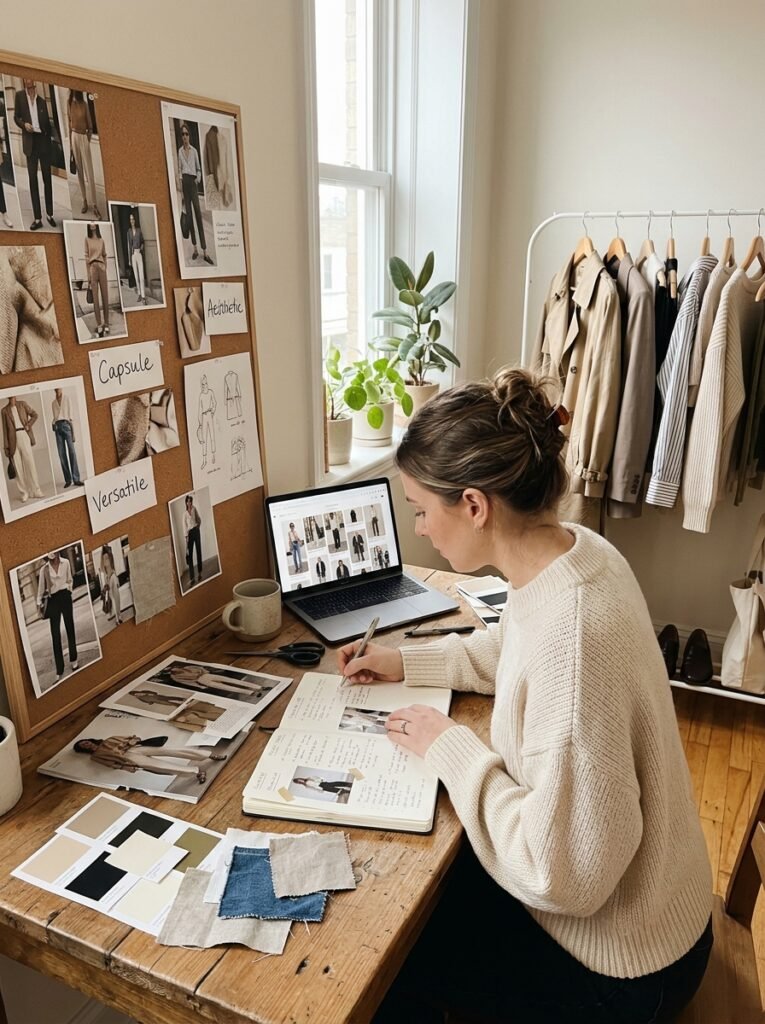
Before buying anything, take time to understand the style you want your wardrobe to reflect. A minimalist capsule wardrobe should fit your lifestyle and personal preferences rather than simply copying someone else’s outfits.
You might prefer classic basics, neutral everyday clothing, feminine silhouettes, or relaxed casual pieces. Look through your existing outfits, saved fashion inspiration, and clothing you naturally reach for most often. Notice which colors, cuts, and combinations make you feel comfortable and confident.
Create a small collection of style references to guide your decisions. This can help you avoid purchasing items that look attractive online but do not fit your everyday wardrobe. When you have a clear idea of your style, choosing versatile clothing becomes much easier.
2. Take Inventory of Your Existing Closet
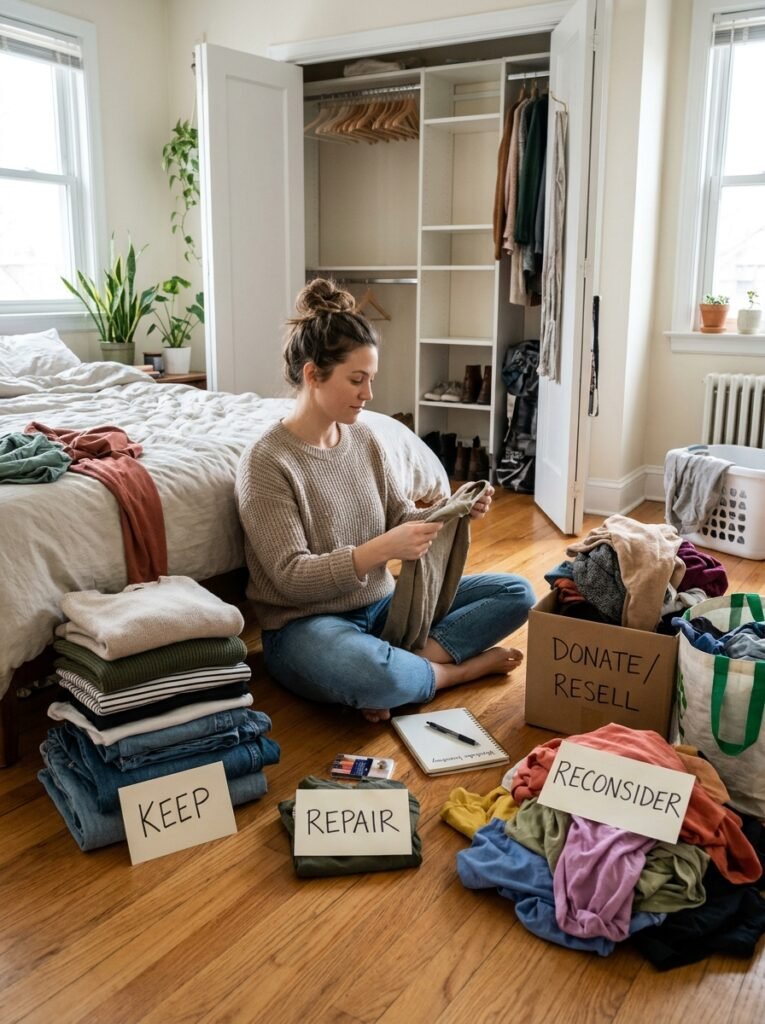
One of the most budget-friendly ways to build a capsule wardrobe is to start with what you already own. Before shopping, go through your closet and identify the clothes you wear regularly, the pieces you rarely use, and the items that no longer fit your lifestyle.
Separate your clothing into a few simple groups:
- Keep: Clothes that fit comfortably and match your personal style.
- Repair: Pieces that need small fixes, such as missing buttons or loose hems.
- Donate or resell: Items in good condition that you no longer wear.
- Reconsider: Clothing you are unsure about or have not worn in a long time.
Pay attention to pieces that can already form multiple outfits. A simple white shirt, classic jeans, black trousers, or neutral cardigan may become the foundation of your wardrobe. You may discover that you need fewer new clothes than you originally thought.
3. Choose a Simple Color Palette
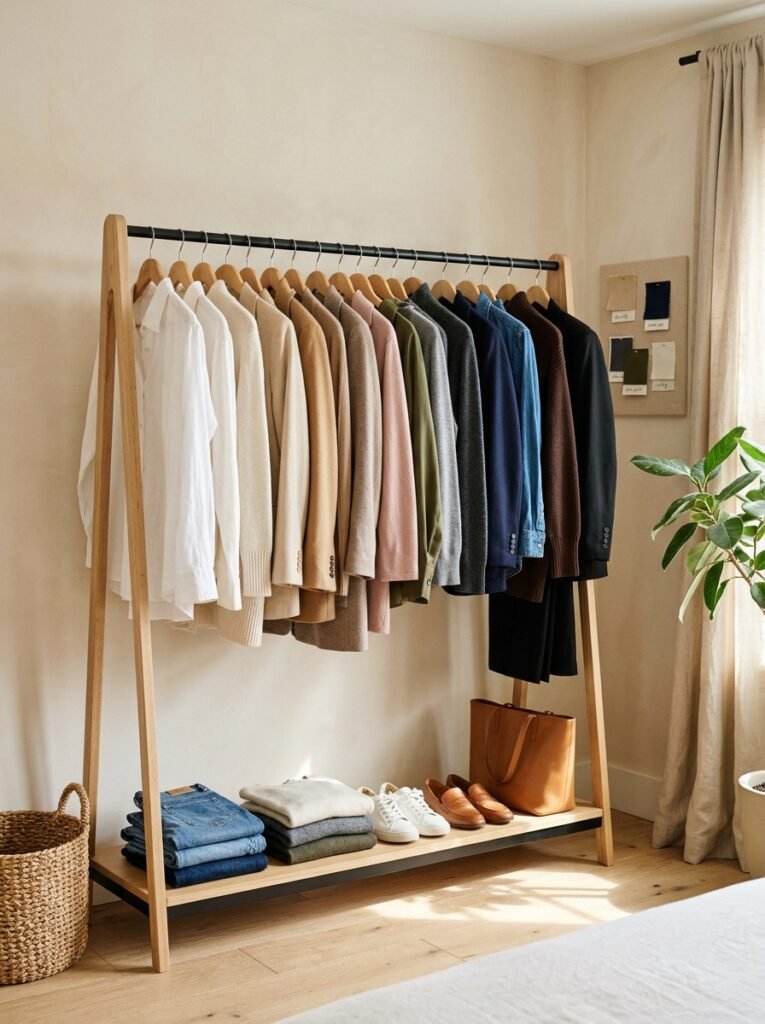
A coordinated color palette makes a minimalist wardrobe easier to style because most pieces can be worn together. Neutral shades are especially useful because they create a timeless foundation and reduce the need to purchase clothing in many different colors.
Consider building your wardrobe around colors such as:
- White and ivory
- Black and charcoal
- Beige and camel
- Gray and taupe
- Navy and denim blue
- Chocolate brown
You do not have to wear only neutrals. Add one or two accent colors that reflect your personality, such as burgundy, olive green, dusty pink, or soft blue. The goal is to select shades that complement one another so you can create more outfit combinations with fewer individual pieces.
4. Set a Realistic Clothing Budget

A capsule wardrobe should make your spending more intentional, not create pressure to buy everything at once. Decide how much you can comfortably spend before browsing online stores or visiting shopping centers.
You can divide your budget into smaller categories, such as tops, bottoms, layering pieces, shoes, and accessories. However, avoid spending your entire budget immediately. Start with the items you need most and gradually add other essentials.
A simple shopping budget can include:
- A monthly clothing allowance
- A short list of priority purchases
- A separate amount for replacing worn-out basics
- A small reserve for seasonal clothing needs
If you already own several useful wardrobe staples, you may only need one or two carefully chosen additions. Remember that a successful capsule wardrobe is not measured by how much you spend.
5. Invest in Versatile Basic Tops
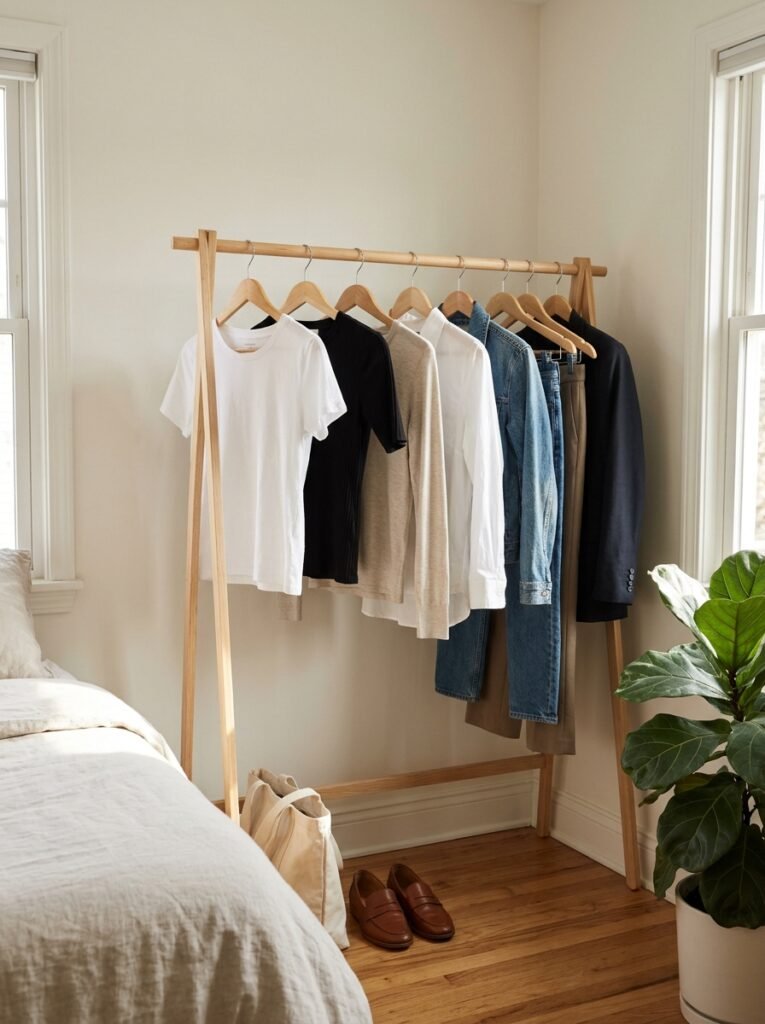
Basic tops are among the most useful pieces in a minimalist capsule wardrobe. They can be worn alone, layered underneath jackets, or paired with different bottoms to create several outfits.
Start with a few practical options, such as a white T-shirt, black fitted top, neutral long-sleeve shirt, and classic button-down blouse. These pieces work well with jeans, trousers, skirts, and shorts.
When shopping on a budget, focus on comfortable fabrics, suitable fits, and easy-care materials rather than brand names. Check the seams, neckline, and overall construction before purchasing. A simple top that fits well and can be worn in different ways is often more useful than a trendy piece that only works with one outfit.
6. Choose Bottoms That Work With Multiple Tops
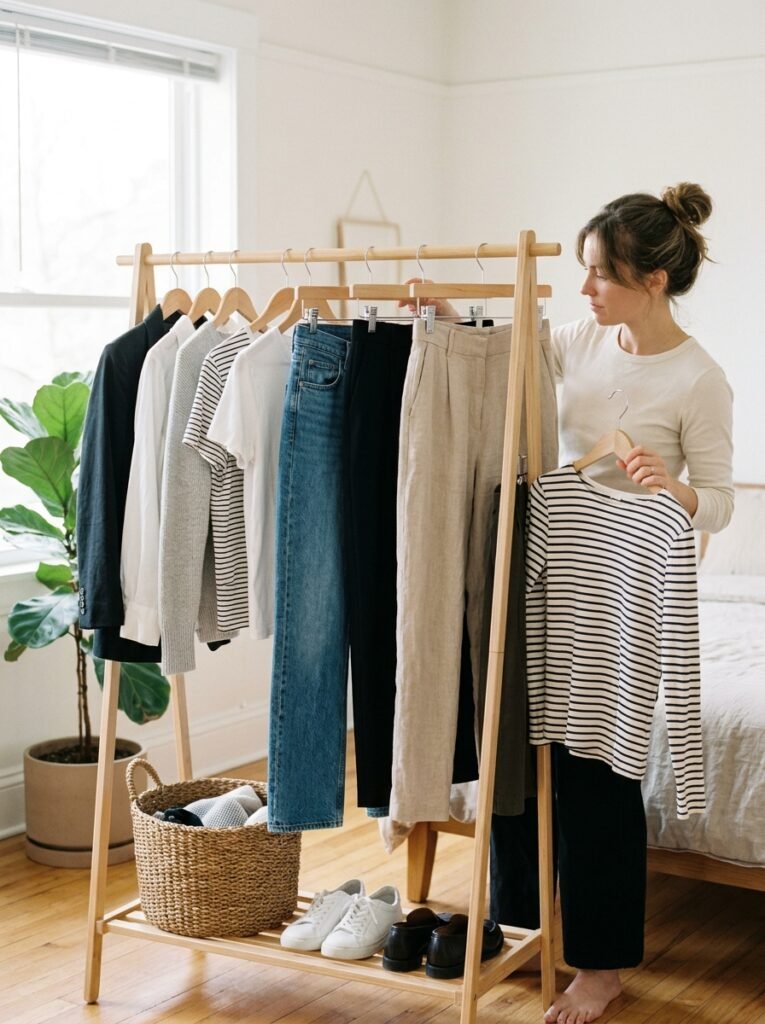
The right bottoms can help you create a variety of outfits without needing a large wardrobe. Instead of buying several similar styles, focus on a few practical options that suit your daily activities.
Straight-leg jeans are a dependable starting point because they work with T-shirts, sweaters, blouses, and jackets. Black trousers can create more polished outfits, while comfortable neutral pants offer a relaxed alternative for everyday wear.
You might also include a simple skirt or a pair of shorts if they suit your climate and lifestyle. Before purchasing, consider how many tops you already own that would work with each item. Ideally, each new bottom should coordinate with several pieces in your closet.
7. Add a Classic Button-Down Shirt
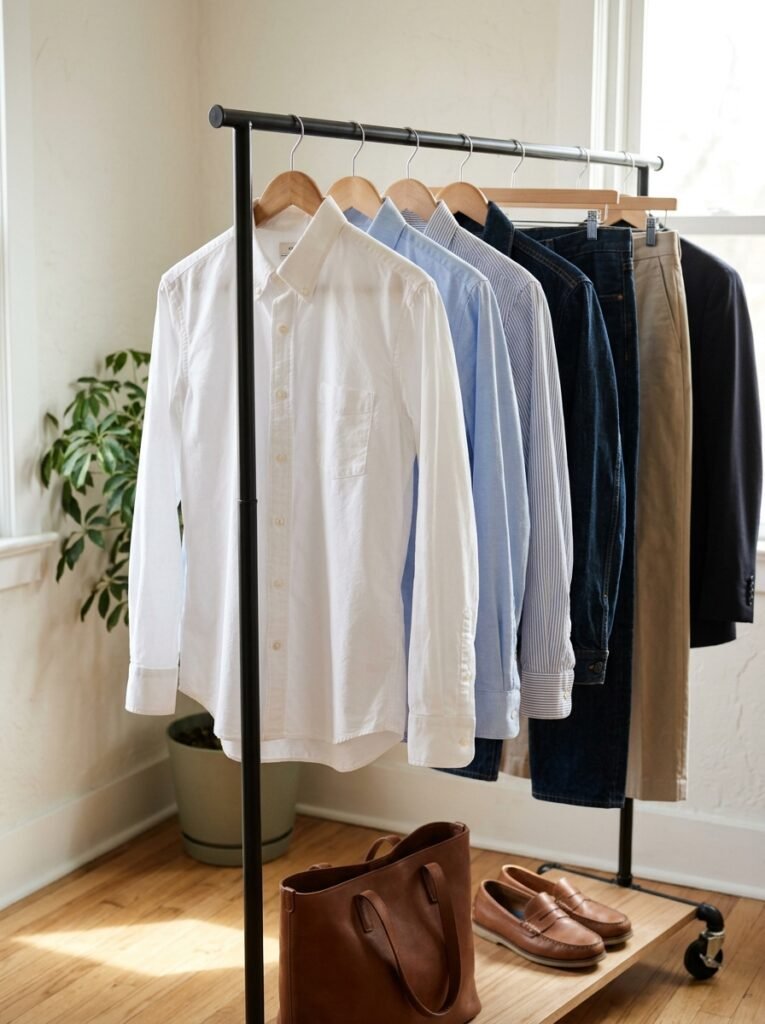
A classic button-down shirt is one of the most versatile items in a minimalist wardrobe. It can create a polished outfit when tucked into trousers or offer a relaxed appearance when worn open over a basic top.
White, light blue, beige, and subtle striped designs are easy to coordinate with neutral clothing. You can wear a button-down shirt with denim for a casual outfit, pair it with tailored trousers for a more refined look, or layer it over a simple dress.
If you are shopping on a budget, look for a comfortable design that suits your body shape and everyday needs. You do not need multiple versions immediately. One well-chosen shirt can provide plenty of styling options.
8. Choose a Versatile Everyday Dress
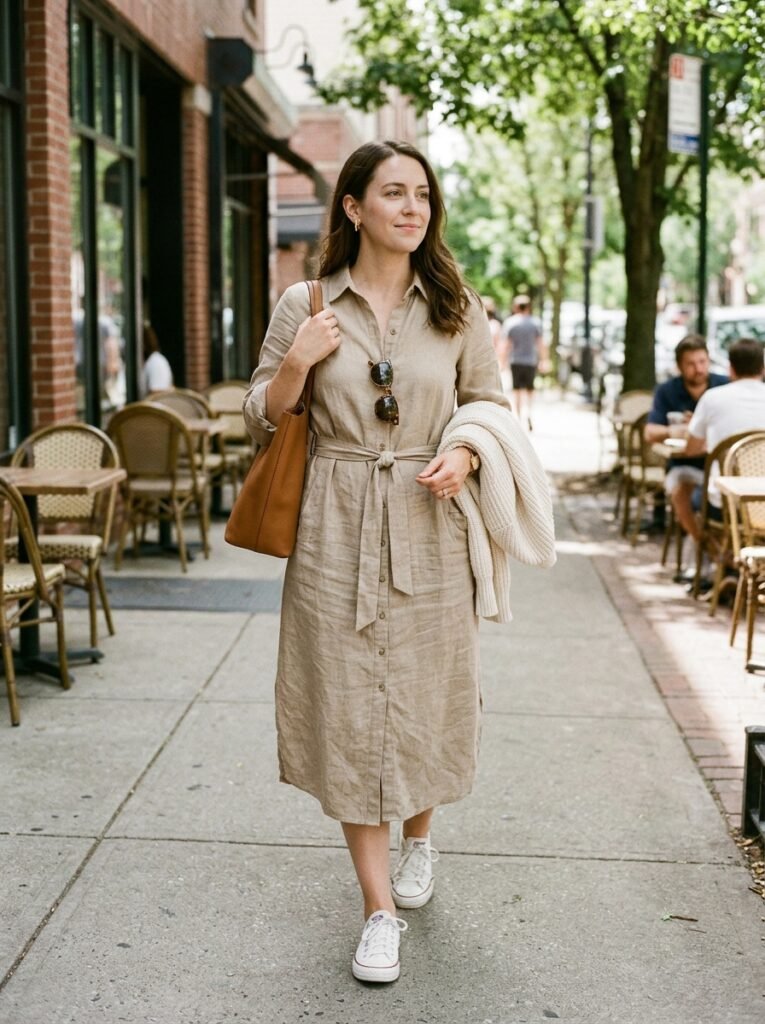
A simple dress can make getting dressed easier because it creates a complete outfit without requiring several separate pieces. Choose a style that works with your preferred level of comfort and the occasions you regularly attend.
A black dress, neutral midi dress, or simple shirt dress can be styled in different ways depending on the season. Wear it with sneakers for a relaxed daytime outfit, add a cardigan for extra coverage, or pair it with flats and a structured bag for a more polished appearance.
Look for a design that can be worn with different shoes and accessories. Avoid purchasing a dress simply because it is trending if it does not fit your everyday lifestyle.
9. Build Around Comfortable Everyday Shoes
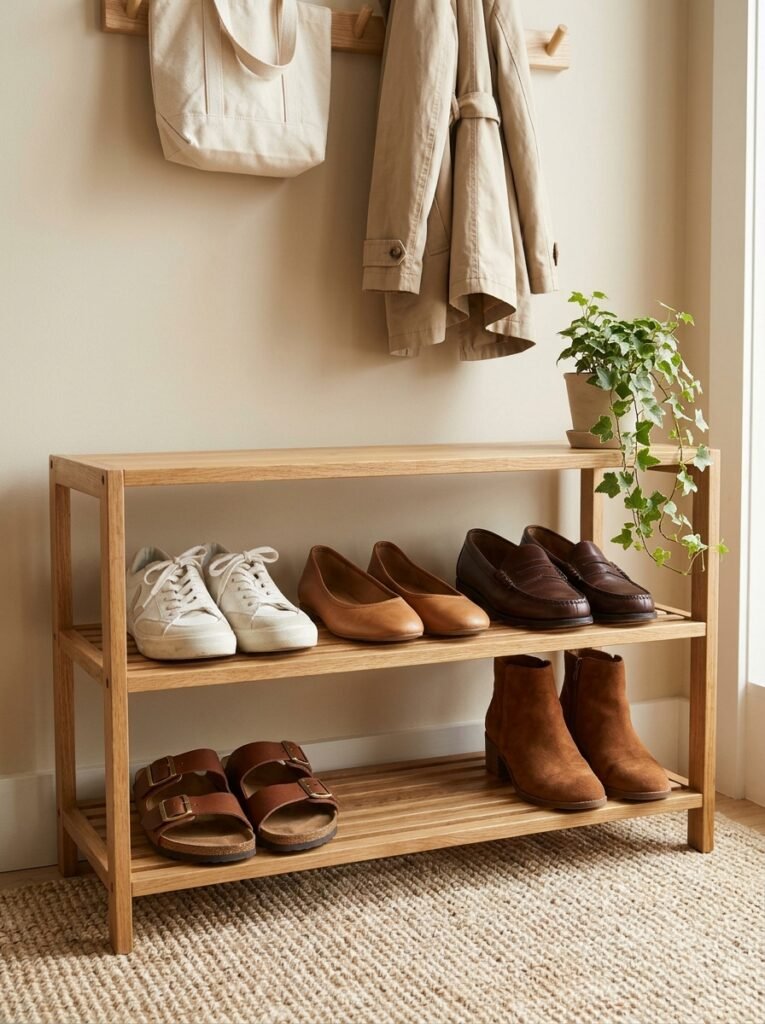
Shoes are an important part of a capsule wardrobe because they influence how practical an outfit feels. You do not need a large shoe collection to create versatile looks. A few carefully selected pairs can cover many everyday occasions.
Consider starting with:
- Classic sneakers: Useful for casual outfits, errands, and everyday walking.
- Simple flats: A practical option for polished casual looks.
- Loafers: Suitable for outfits that need a slightly more refined finish.
- Versatile sandals: Helpful for warm-weather dressing.
- Ankle boots: A useful option for cooler seasons, depending on your climate.
Choose footwear that fits properly and suits your daily activities. If your budget is limited, prioritize the pair you will wear most often rather than purchasing several styles at once.
10. Add One or Two Timeless Layering Pieces
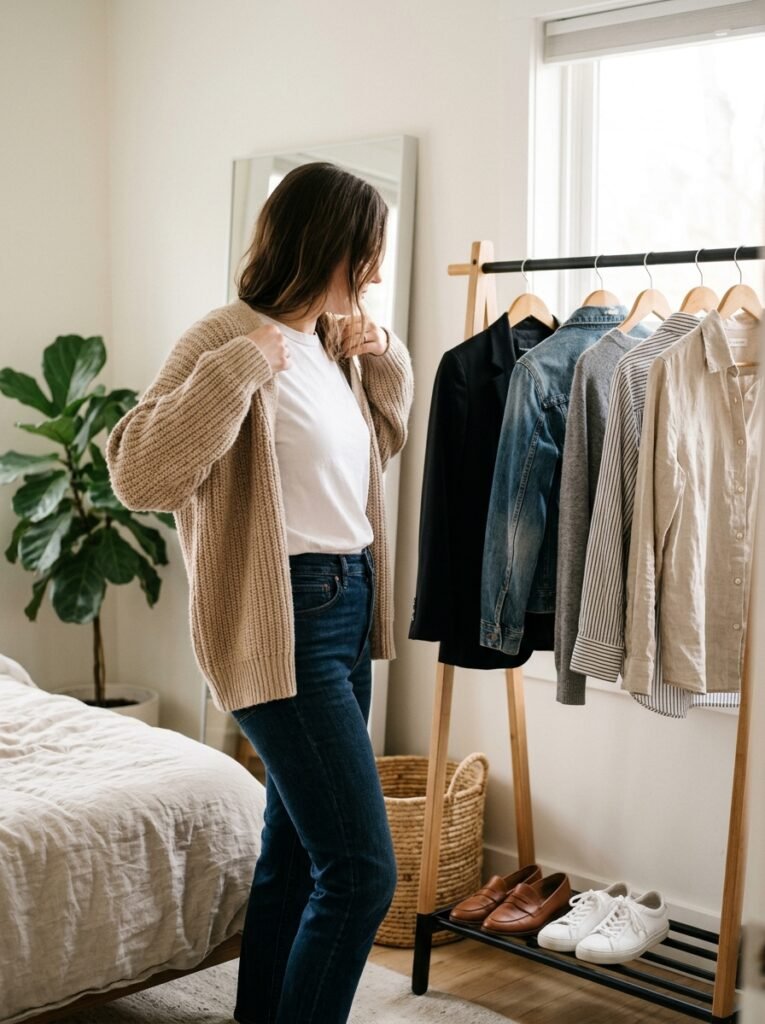
Layering pieces help make a capsule wardrobe more adaptable throughout the year. A cardigan, blazer, lightweight jacket, or simple sweater can change the appearance of basic clothing while providing additional coverage when needed.
For a minimalist look, choose neutral colors that coordinate with your tops and bottoms. A beige cardigan, black blazer, or denim jacket can work with several existing outfits.
You do not need every type of outerwear at once. Consider your local weather and daily routine before choosing what to buy. If you live in a warm climate, lightweight layers may be more practical than heavy coats. Choose pieces that you can wear frequently rather than items that only suit occasional situations.
11. Use Accessories to Create More Outfit Combinations
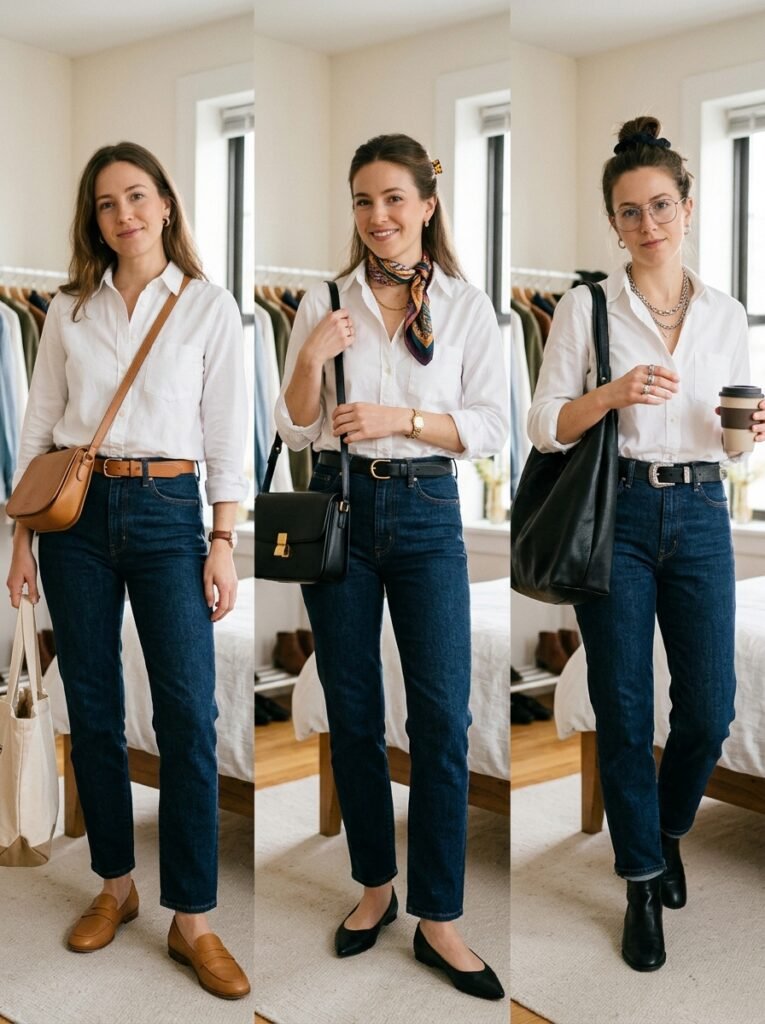
Accessories can make a small wardrobe feel more varied without requiring additional clothing purchases. A simple outfit can look different depending on the bag, belt, jewelry, or scarf you choose.
Start with practical accessories that complement your existing clothes. A neutral handbag, classic belt, simple earrings, and everyday watch can work across many outfits. If you prefer a feminine style, a delicate necklace or hair accessory can add a subtle finishing touch.
You can also use accessories you already own instead of buying new ones. Try styling the same white shirt with different bags, jewelry, and shoes to see how many combinations you can create. Thoughtful styling can make familiar pieces feel fresh again.
12. Shop Secondhand and Look for Affordable Finds
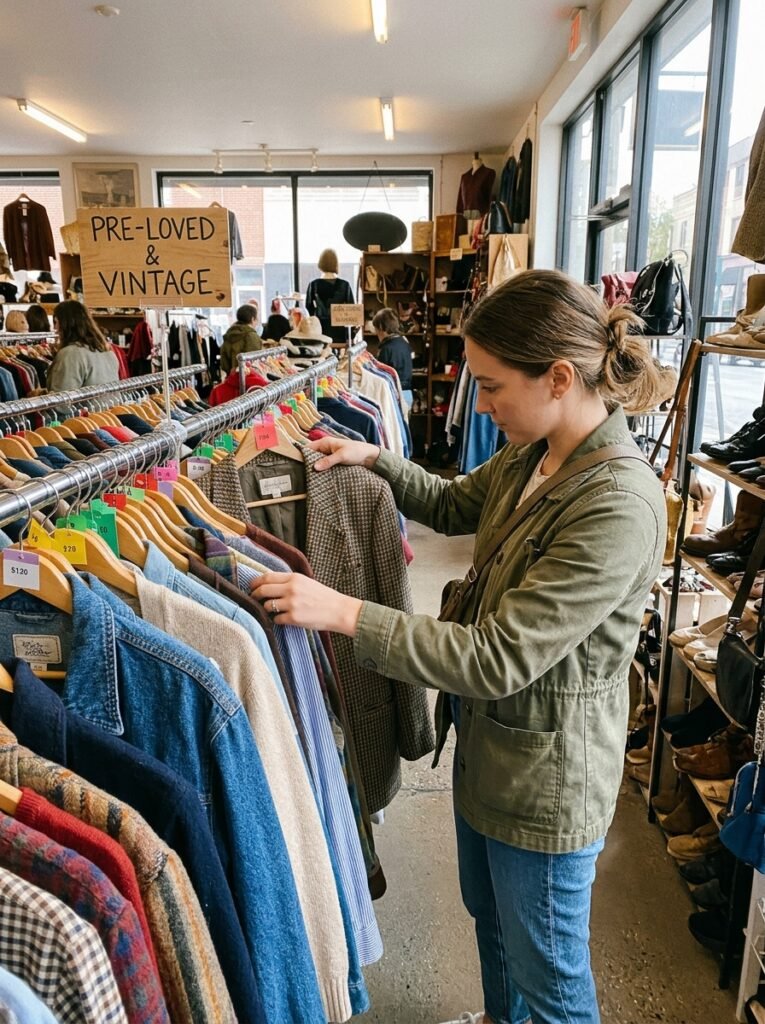
Shopping secondhand is one way to build a capsule wardrobe while keeping costs manageable. Thrift stores, resale platforms, clothing swaps, and pre-loved fashion shops may offer useful basics at lower prices than buying new.
Look for timeless pieces such as button-down shirts, cardigans, blazers, denim, and simple dresses. Before purchasing, inspect the fabric, seams, zippers, buttons, and overall condition. Make sure the item fits comfortably and can be styled with clothing you already own.
You can also look for affordable basics during seasonal sales or clearance events. However, a low price does not automatically make something a good purchase. Choose items because they fill a real wardrobe gap, not simply because they are discounted.
13. Prioritize Quality Over Quantity
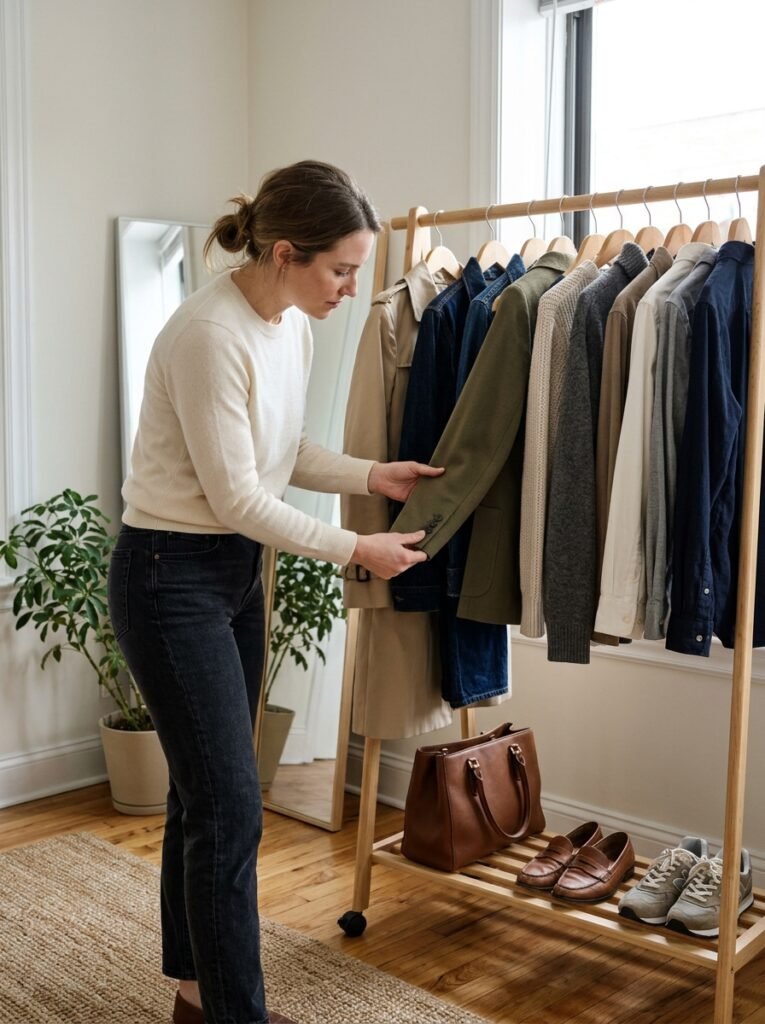
Building a capsule wardrobe on a budget does not mean choosing the cheapest possible clothing. Instead, focus on finding the best balance between price, comfort, construction, and expected use.
A simple item that holds its shape and works with many outfits may provide more value than several inexpensive pieces that quickly lose their appearance. When comparing clothing, check stitching, fabric feel, closures, and care instructions.
You can prioritize more durable construction for frequently worn items such as jeans, everyday shoes, and handbags. For seasonal or occasional pieces, a more affordable option may be perfectly reasonable. The goal is to make thoughtful purchases that suit your budget and how often you expect to wear each item.
14. Plan Outfits Before Buying More Clothes
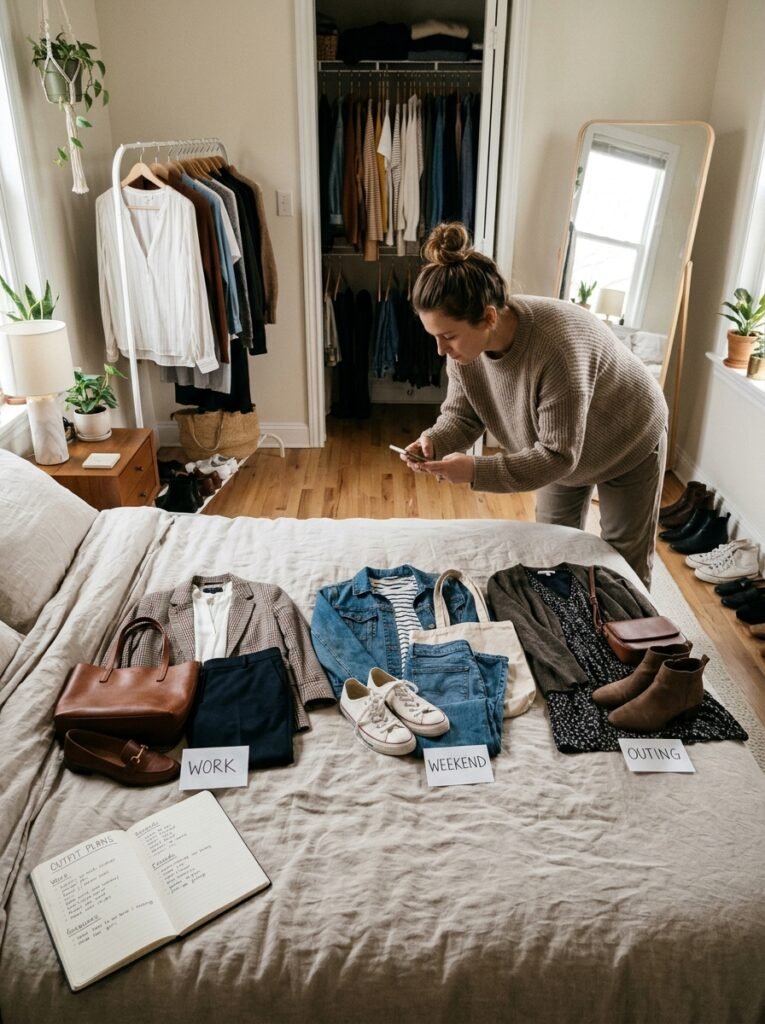
One of the easiest ways to avoid unnecessary spending is to experiment with outfit combinations before purchasing anything new. Your existing closet may offer more styling possibilities than you realize.
Try creating a few outfits for different situations, such as work, errands, weekends, casual outings, and special occasions. Take photos of combinations you like so you can refer to them when getting dressed.
If you notice that one item repeatedly appears in your outfit plans, it may be a useful wardrobe essential. On the other hand, if a new purchase only works with one specific piece, consider whether it is worth adding. Planning outfits helps you identify genuine wardrobe gaps and make better shopping decisions.
15. Avoid Impulse Purchases and Fast-Changing Trends
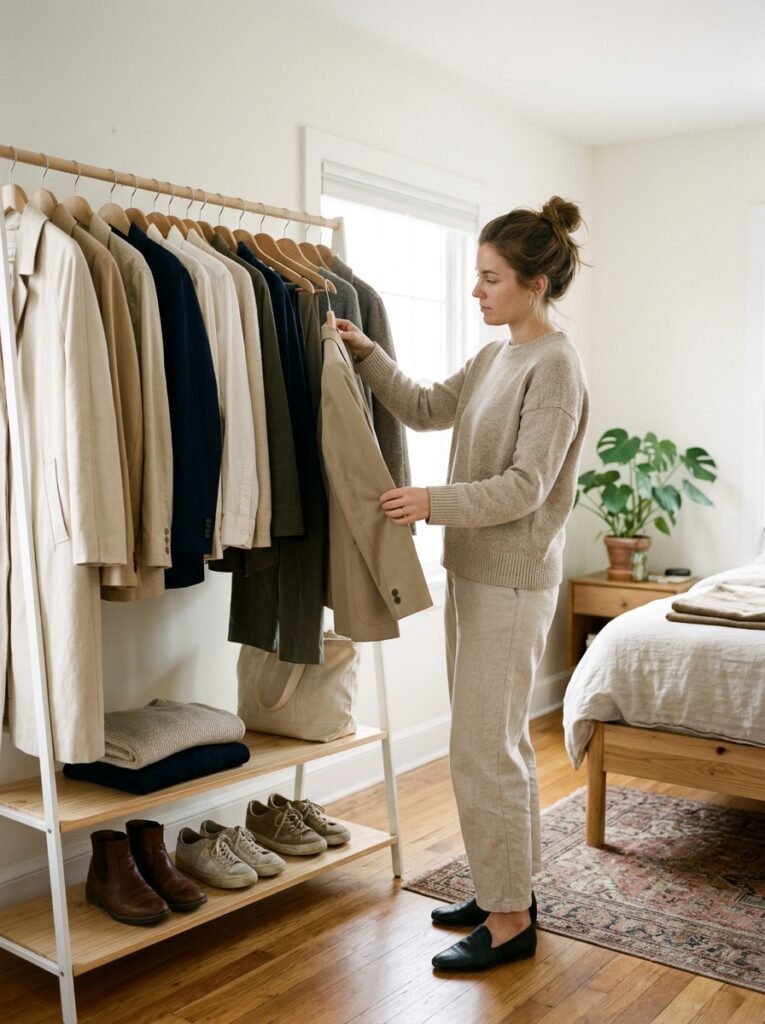
A minimalist wardrobe works best when your clothing choices reflect your personal style rather than every new fashion trend. Trend-driven shopping can quickly become expensive, especially when items are difficult to coordinate with your existing clothes.
Before buying something, ask yourself:
- Can I wear this with at least three items I already own?
- Does it suit my lifestyle and daily activities?
- Is the fit comfortable?
- Will I still enjoy wearing it beyond this season?
- Am I buying it because I need it or because it is on sale?
You do not need to avoid trends completely. You can incorporate small fashion updates through affordable accessories or one occasional statement piece. Just make sure the foundation of your wardrobe remains practical and versatile.
How Many Pieces Should a Minimalist Capsule Wardrobe Have?
There is no universal number of clothing pieces required for a capsule wardrobe. Some people prefer a smaller collection, while others need more options because of work, family activities, climate, or personal style.
Rather than following a strict number, focus on whether your wardrobe covers your everyday needs. You should have enough tops, bottoms, layers, shoes, and accessories to create outfits for the situations you regularly encounter.
A useful starting point might include:
- 4–6 basic tops
- 2–3 versatile bottoms
- 1–2 dresses or skirts
- 2–3 layering pieces
- 2–3 pairs of everyday shoes
- A few practical accessories
These numbers are flexible suggestions, not rules. Adjust them based on what you already own, how often you do laundry, and the weather where you live.
Frequently Asked Questions
1. How much does it cost to build a minimalist capsule wardrobe?
The cost depends on how many pieces you already own, the brands you choose, and whether you shop new or secondhand. You can begin with a small budget by using existing clothes and purchasing only the essentials you genuinely need.
2. What are the most important pieces in a capsule wardrobe?
Useful starting pieces include basic tops, comfortable jeans, neutral trousers, a versatile dress, a cardigan, a button-down shirt, everyday shoes, and a practical bag. The exact selection should reflect your lifestyle and climate.
3. What colors should I choose for a minimalist wardrobe?
Neutral shades such as black, white, cream, beige, gray, navy, and denim are easy to coordinate. You can also include a few accent colors that complement your personal style.
4. Can I build a capsule wardrobe using affordable clothes?
Yes. You can find useful wardrobe essentials through budget-friendly retailers, thrift shops, resale platforms, clothing swaps, and seasonal sales. Focus on comfortable fits, versatile designs, and pieces that coordinate with your existing clothes.
5. How often should I update my capsule wardrobe?
There is no fixed schedule. Review your wardrobe when seasons change, your lifestyle shifts, or essential pieces become worn out. Replace items when necessary rather than purchasing new clothing simply to follow trends.